
Food Devils Master Rules Guide
Pick the rule that rewrites Calorie generation for every node on the route.
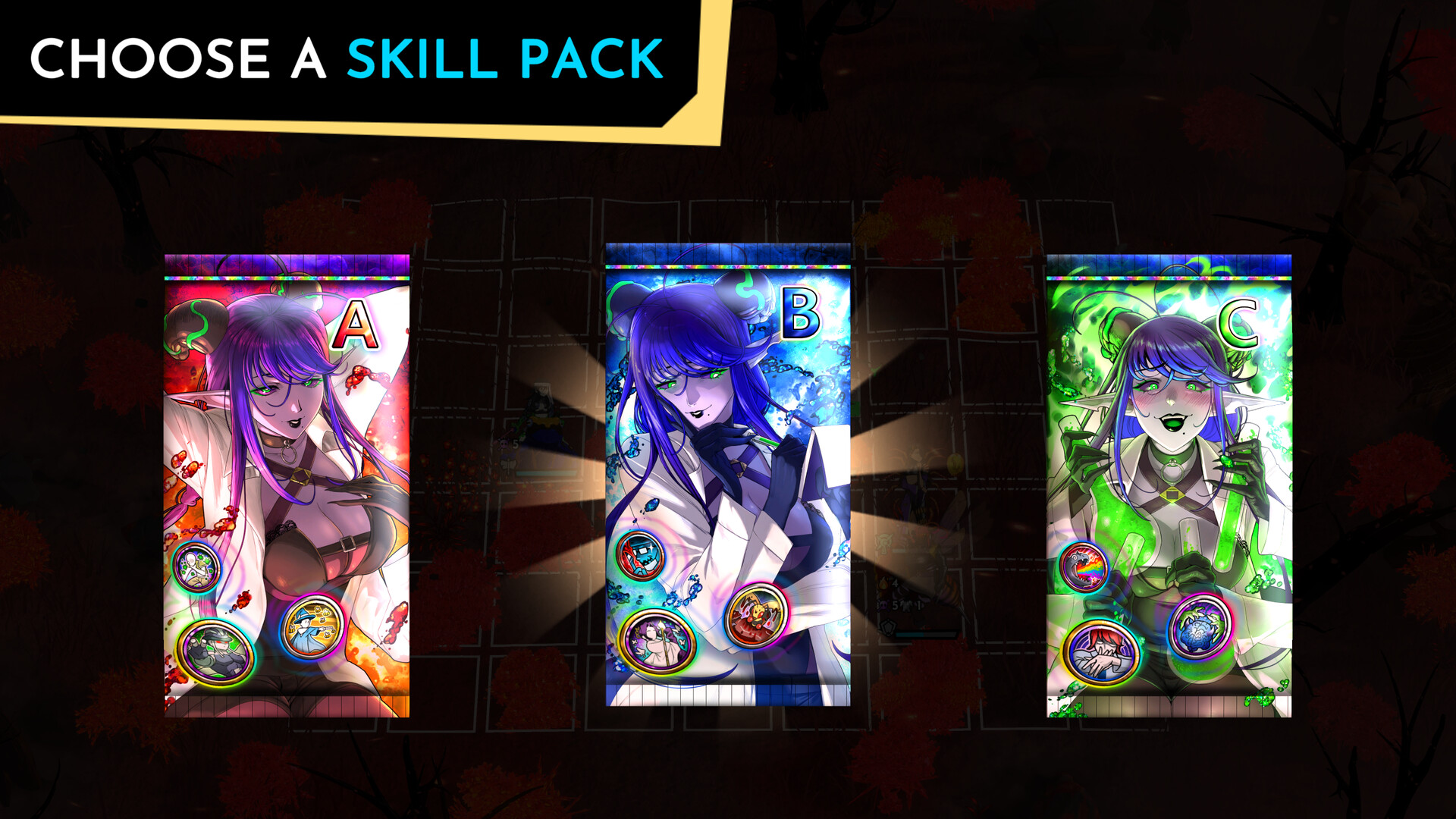
Master Rules are the expedition-wide laws that decide how Food Devils feels from the first node to the last. At run start you choose a rule that reshapes Calorie generation and board priorities for the entire route—not a single map mutator you forget after fight one. The same Warrior, Shielder, Mage, and Healer labels suddenly play different games: under one rule they farm Bonfire adjacency; under another they chase Prey, ride Fury windows, or enable stranger summon explosions. This guide explains how Master Rules work, walks Hunter’s publicly discussed examples (Prey / Slow, Fury, Bonfire Bonanza), and shows how to pick rules that synergize with Skill Packs and merchant nodes.
If you are still learning the day-one loop, skim Getting Started first. For the economy math behind every rule, keep Calories and Hunger open. Board positioning details sit in Combat Tactics.
What a Master Rule is (and is not)
A Master Rule is:
- A run-long definition of how adventurers generate Calories.
- A strategy filter for Contracts, Skill Packs, and furniture hires.
- A replay lever—why two Ashen Forest clears with the same captain can feel like different games.
A Master Rule is not:
- A free difficulty slider you pick for loot alone.
- A reason to ignore objectives (Hunt, Defend, Gather, Escape still win maps).
- A substitute for Hunger management—rules change how you pay, not whether you pay.
Because Calories persist across encounters in a run, a rule that you cannot feed safely will starve the Devil by the spike node even if early maps look fine.
How to pick a Master Rule
Match the rule to three truths you already know:
- Captain and Contracts — Hunter ink loves Prey, Fury, and Bonfire logistics; Poison ink wants stack / Bombee verbs; Dessert ink wants Sweet tempo tools. See Devil Contracts and the Players Hub.
- Skill Pack plan — Early Access aims past 250 skills. Open packs, read role labels, and ask whether a pack extends the rule’s generation verb.
- Restaurant bench — Furniture and kitchen upgrades bias who walks in. Do not pick Bonfire Bonanza if your bench cannot create or stand beside Bonfires.
Then run a short expedition dedicated to that single rule before you invent hybrids. Training Grounds outside the restaurant still help you rehearse verbs without permanent Hunger risk.
Hunter examples: Prey, Fury, Bonfire Bonanza
Hunter is the clearest teaching captain for Master Rules, which is why Studio Daimon’s public examples lean on his Salty / Warrior / Beast fantasy. Full kit notes live on Hunter Devil.
Prey / Slow
Prey-focused rules teach target priority. The party shares a hunt: mark or focus Prey, use Slow tools to freeze or delay threats, and rearrange Beast paths while the clock favors you. Beginner parties should treat Prey as a job for everyone—Devil fantasy, Warrior finishers, Mage or support Slow—not a solo captain gimmick.
Build tells
- Contracts that apply Slow or punish marked targets.
- Skill Packs that extend control rather than pure selfish burst.
- Shielders who create lanes so Prey stays reachable without Hunger suicides.
Fury
Fury rules reward calculated risk. Carriers spike hard on the turn they lean into danger. That spike is worthless if the unit dies permanently to Hunger plus enemy range. Buy defensive packs, Armor tools, and Healer coverage before greedier damage. Shielders who prevent Fury carriers from dying on their spike turn are often more valuable than a fourth damage Contract.
Build tells
- One dedicated forgiveness unit (Shielder or Healer-leaning Contract).
- Codex Clauses that buff the whole party during Fury windows.
- Merchant purchases that refund movement or grant Armor when maps get ugly.
Bonfire Bonanza (and Bonfire Calories)
Developer examples highlight payoffs such as generating Calories when adventurers end turns beside Bonfire tiles. Suddenly a Warrior who can create Bonfires is a resource engine, not only a damage stick. Units that plant, refresh, or protect Bonfires become economy pieces. Ending movement adjacent to a Bonfire can be worth more than a medium attack if it funds a Devil turn that deletes an elite.
Build tells
- Someone creates Bonfires; someone farms adjacency; strikers fight near the engine.
- Skill Packs that create tiles, refund movement, or protect the Bonfire pocket.
- Furniture that biases Warrior / Shielder hires who can execute logistics.
If your rule ignores Bonfires, do not waste actions landscaping the map. Rule literacy includes knowing what not to do.
Other captains, other verbs
Poison’s publicly discussed themes lean Bombee summons, coagulation / poison stacks, and Awakening-style payoffs—generation verbs that look nothing like Bonfire adjacency. Dessert’s Sweet identity will favor tempo and buff culture over Prey logistics. When Vegan (~0.7 with Fungal Abyss) and Fisher (~1.0) arrive, expect new rule families; until then, do not invent fake verbs. Compare captains on the Devil tier list and All Food Devils.
Synergy with Skill Packs
Skill Packs are how Master Rules stay interesting across a long route. A clean draft order:
- Economy pack that feeds the rule’s generation verb.
- Defensive panic button so Hunger carriers survive contested tiles.
- Damage or control that spends the Calories you just earned.
Role labels on packs exist so you stop gambling on rarity alone. A rare pack that ignores your rule is often a trap. Codex Clauses that amplify the Master Rule beat generic damage pads—prefer team-wide bonuses that make every generator safer or every Prey window longer.
Deep role mutation examples also appear under Adventurer Classes and the builds tier list.
Merchant nodes and mid-route corrections
The roguelite expedition map scatters battles, events, shops, and rests. Merchants are not tourism—they are where you admit the rule is starving you:
- Missing Bonfire creation? Buy the pack or tool that plants tiles.
- Fury carriers dying? Buy Armor, heals, or displacement.
- Prey focus too greedy? Buy Slow extenders so you stop over-committing.
Events can offer similar pivots. Rest nodes are for Hunger recovery planning and Skill Pack swaps, not for ignoring a broken economy. Between expeditions, cook dishes and adjust furniture so the next embark already matches the rule you intend—see Cooking and Recipes and Restaurant Management.
Strategy checklist before you confirm a rule
- Can at least two adventurers generate under this rule without sharing one death clock?
- Do Contracts rewrite mobility in a way that still reaches the rule’s tiles or targets?
- Do early Skill Pack drops exist that extend the verb, or am I praying for a miracle rare?
- Is the first objective type on the route friendly to this verb (Defend vs Escape can feel very different)?
- If the answer to any question is no, pick another rule or rebuild the bench.
Common Master Rule mistakes
- Picking the coolest name instead of the rule your Contracts can feed.
- Farming the rule’s verb after the objective is already won.
- Letting one unit generate every Calorie under a Bonfire or Prey plan.
- Ignoring merchants when the rule is clearly starving the Devil.
- Swapping captains mid-save and keeping the old rule habits.
- Skipping Glossary entries for tiles or statuses the rule introduces.
Practice loop
- Choose Hunter and the most readable Prey or Bonfire rule available.
- Run one short Ashen Forest expedition with conservative Hunger.
- Log every turn you generated Calories: was it required for the objective?
- Visit merchants with a shopping list tied to the rule, not to shiny rarity.
- Repeat with Fury, then with Poison’s stack-oriented rules once that captain feels natural.
Master Rules are why Food Devils replays refuse to flatten. Pick the law that matches your Contracts and Skill Packs, reinforce it at every merchant, and keep Hunger honest. When patches add new rules with Vegan, Fisher, or Fungal Abyss content, return here and to the Guides Hub to rebuild the checklist instead of forcing Bonfire habits onto a biome that wants something stranger.
Frequently Asked Questions
Quick answers to the most common questions.
Do Master Rules last for the whole expedition?
Yes. The rule you pick at run start reshapes Calorie generation and priorities for every node on that route.
What is Bonfire Bonanza in Food Devils?
A Hunter-associated example rule that rewards Calories when adventurers end turns beside Bonfire tiles, turning tile logistics into an economy.
How should beginners choose a first Master Rule?
Pick the most readable Prey or Bonfire-style rule that matches your captain’s Contracts, then reinforce it with Skill Packs and merchant buys.
How do Skill Packs and merchants interact with Master Rules?
Draft packs that extend the rule’s generation verb first, then use merchant nodes to buy missing economy or defense pieces mid-route.
Where do I learn the Calories cost of following a rule?
Read Calories and Hunger for stacking and permanent death, then Combat Tactics for when to spend the Devil instead.